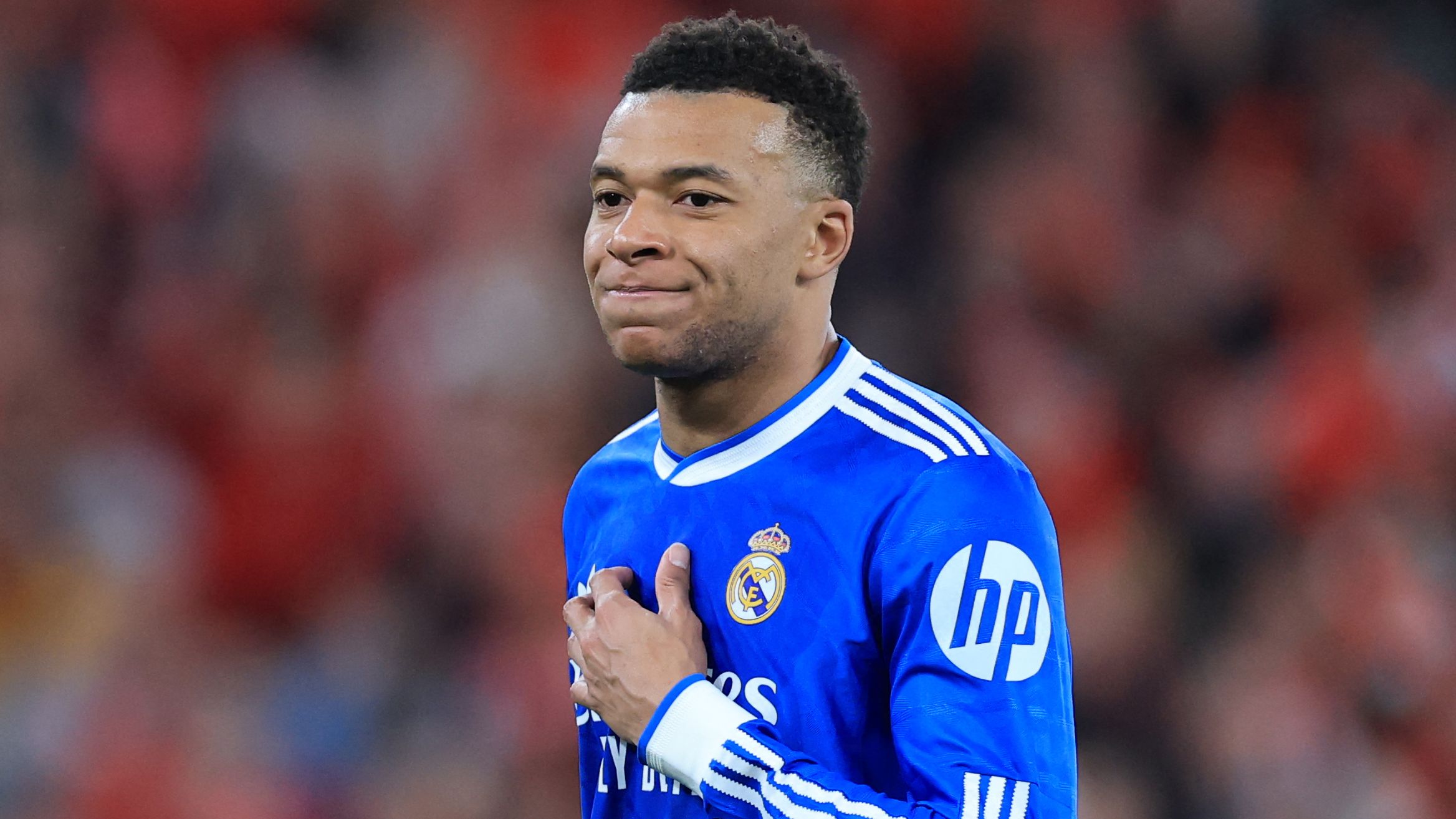
Arbeloa's Optimism: A Glimmer of Hope Before the Storm
The football world held its breath in anticipation of Real Madrid's crucial Champions League playoff second leg against Benfica. All eyes were on the Bernabéu, and more specifically, on one of the sport's brightest stars: Kylian Mbappé. Just hours before the pivotal clash, Real Madrid manager Alvaro Arbeloa exuded confidence regarding his star forward's fitness. In a press conference, Arbeloa unequivocally stated that Mbappé was "ready to play," acknowledging the Frenchman had been battling a persistent issue in recent weeks but highlighting his immense commitment to the club, his teammates, and the fans.
Arbeloa's initial remarks painted a picture of a dedicated athlete pushing through discomfort for the sake of his team. He emphasized Mbappé's game-changing ability, stating, "He's a game-changer. I think any defender, when they face him, knows that he can decide a match with any action." This strong endorsement underscored Mbappé's importance to the squad and seemed to quash any lingering doubts about his availability. The coach's words were a testament to Mbappé's perceived resilience and willingness to perform despite the physical toll. Fans, media, and opponents alike were led to believe that Mbappé would indeed be leading the line, ready to unleash his electrifying pace and lethal finishing against the Portuguese giants. This optimism, however, was about to face a stark and unfortunate reality.
The Sudden Setback: Mbappé's Persistent Knee Pain Halts Training
Despite Arbeloa's assurances, the optimism surrounding Mbappé's fitness proved to be short-lived. A dramatic turn of events unfolded on Tuesday, casting a significant shadow over Real Madrid's preparations. According to reports from L'Equipe, Mbappé was forced to withdraw from Madrid's training session, experiencing what was described as persistent pain in his left knee. This immediate setback sparked alarm, indicating that the underlying issue Arbeloa had alluded to was more severe than initially downplayed. The sight of the forward leaving the pitch prematurely sent ripples of concern through the club's medical staff and the fan base.
Following his early exit from training, Mbappé underwent a series of urgent medical tests in the afternoon. The results, which returned just hours later, delivered a crushing blow: it would be "impossible" for the talismanic forward to feature against Benfica. This definitive diagnosis meant Arbeloa was faced with an immediate and unavoidable U-turn on his earlier fitness claim. The news of Mbappé being sidelined due to a knee injury not only robbed Real Madrid of their star player but also underscored the delicate balance between a player's commitment and the harsh realities of physical health. The specific term "mbappe lesion rodilla" began to circulate, highlighting the severity and nature of the discomfort that had now definitively ruled him out of a critical Champions League fixture. The persistent nature of the pain suggests a chronic issue rather than an acute impact, raising questions about its management in the preceding weeks.
Tactical Implications for Real Madrid Against Benfica
The unexpected absence of Kylian Mbappé presents Real Madrid with a significant tactical challenge, particularly given the 1-0 advantage they hold from the first leg. While a slim lead, it means Benfica will likely come out aggressively at the Bernabéu, seeking an equalizer. Mbappé's unparalleled speed, dribbling ability, and clinical finishing are crucial elements of Madrid's attacking prowess, offering a direct threat that often unlocks stubborn defenses. His ability to stretch play, draw defenders, and create space for others is invaluable, and without him, Arbeloa will need to devise an alternative strategy to maintain an offensive threat while controlling the midfield.
The immediate question for Arbeloa is who will step into Mbappé's colossal shoes. Options within the squad might include shifting other forwards or wingers into a more central role, or perhaps adopting a more conservative approach, relying on midfield dominance and counter-attacking opportunities. The onus will now fall on players like Vinicius Jr., Rodrygo, or potentially a more experienced campaigner to carry the attacking burden. This change could force Madrid to alter their formation, perhaps bolstering the midfield or focusing more on wide play. The psychological impact on the squad must also be considered; losing a player of Mbappé's caliber so close to a major match can be unsettling. However, it also presents an opportunity for other players to rise to the occasion and demonstrate the depth and resilience of the Real Madrid squad. This lingering knee injury ruling Mbappé out of the playoff forces a rethink that could define their Champions League aspirations.
Understanding Knee Injuries in Elite Football: A Common Challenge
Knee injuries are an unfortunate but prevalent reality in professional football, often sidelining players for crucial periods and, in some cases, impacting careers long-term. The immense physical demands of the sport – the constant changes of direction, explosive sprints, sudden stops, and tackles – place enormous stress on the knee joint. Common afflictions range from ligament tears (ACL, MCL, PCL), meniscus damage, cartilage wear, to patellar tendinopathy and various forms of knee inflammation. A "persistent knee pain" like that experienced by Mbappé can often indicate a deeper, chronic issue that has been exacerbated over time rather than a single traumatic incident.
The pressure on elite athletes to perform and play through discomfort is immense. Club ambitions, personal accolades, and fan expectations often push players to ignore early warning signs or return prematurely from injuries. However, playing with unresolved knee pain can lead to compensatory movements, increasing the risk of further injury to the affected knee or even other parts of the body. Proper diagnosis through imaging techniques (MRI) and expert medical assessment is crucial. Rehabilitation protocols typically involve rest, anti-inflammatory measures, physiotherapy, strengthening exercises, and a gradual return to sport. For players like Mbappé, whose game relies heavily on explosive power and agility, a fully recovered knee is non-negotiable for maintaining peak performance and avoiding future recurrences of such a "mbappe lesion rodilla" setback.
Beyond the Pitch: Player Welfare and Coaching Dilemmas
The situation surrounding Kylian Mbappé's knee injury highlights a recurring and often contentious dilemma in professional sports: the delicate balance between player welfare and club ambition. Coaches and medical staff are constantly navigating this terrain, striving to maximize performance while safeguarding the long-term health of their athletes. Arbeloa's initial statement, emphasizing Mbappé's commitment despite a known issue, speaks to this pressure. There's an inherent desire to have star players on the field, especially in high-stakes matches like a Champions League knockout tie.
However, the sudden U-turn underscores the critical importance of objective medical evaluation. While a player's desire to compete is admirable, it must sometimes be overridden by clinical judgment to prevent more severe, career-threatening damage. This incident serves as a powerful reminder that pushing through persistent pain, particularly in a complex joint like the knee, is a high-risk gamble. For coaches like Arbeloa, it's a difficult position; they rely on medical advice, but also manage player morale and team expectations. The ultimate responsibility lies in prioritizing the athlete's long-term well-being over short-term gains, a lesson that is frequently relearned in the demanding world of professional football. Implementing robust injury prevention strategies, fostering open communication between players and medical teams, and respecting recovery timelines are paramount to mitigating such scenarios.
Kylian Mbappé's unexpected absence due to persistent knee pain has undoubtedly sent shockwaves through Real Madrid just before their pivotal Champions League encounter with Benfica. What began with optimistic pronouncements from coach Alvaro Arbeloa quickly morphed into a stark reality as medical tests confirmed the French star would be unable to play. This incident not only forces a tactical reshuffle for Madrid but also casts a spotlight on the ever-present challenges of player welfare in elite football. While Mbappé's commitment to play through pain is commendable, the definitive ruling underscores the necessity of prioritizing health to prevent long-term damage. As Real Madrid prepares to navigate this crucial fixture without their talisman, the focus now shifts to his recovery and the hope that this "mbappe lesion rodilla" is managed with utmost care, ensuring his swift and complete return to the pitch where he belongs.